
Cat Water Bowls: Placement, Cleanliness and Changes in Thirst
· Practical guidance and sources updated.
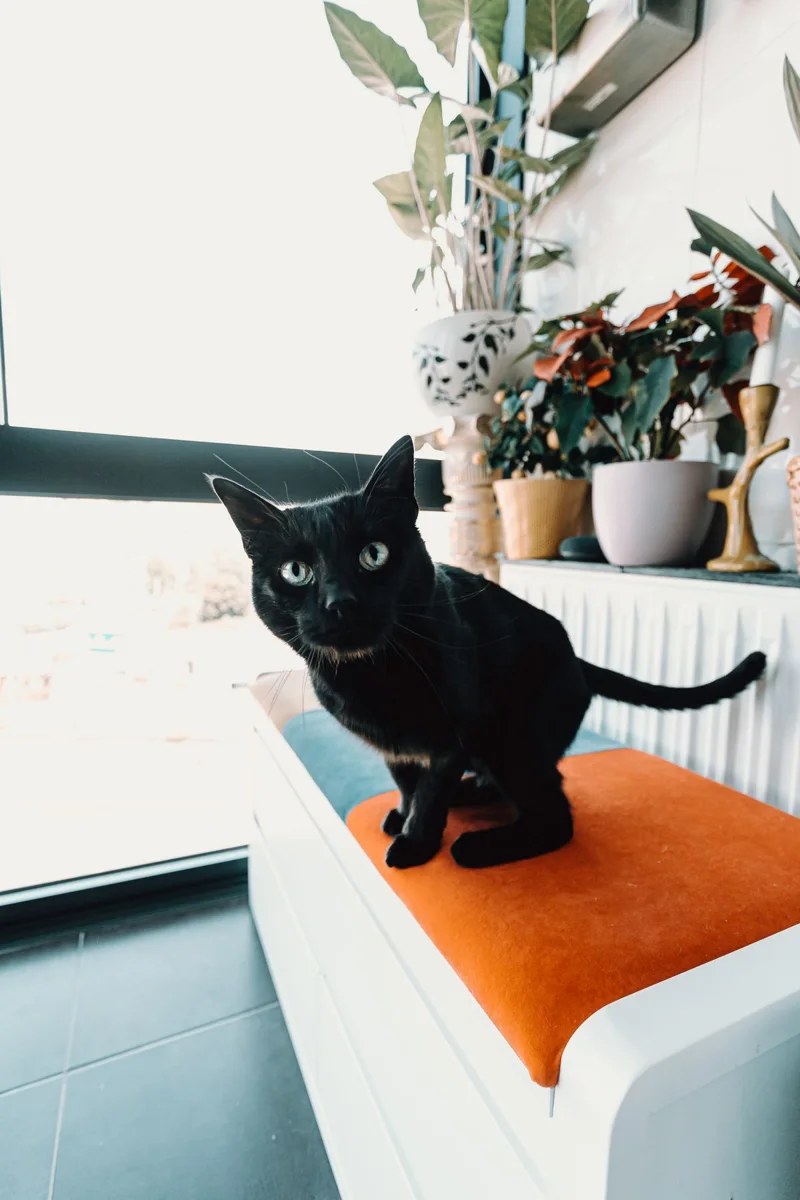
Some cats investigate a fountain; others prefer a still bowl. You can offer a choice without assuming one design is necessary for every cat. The first priorities are fresh drinking water and comfortable access.
Start with an accessible option
Keep clean water available in a quiet place away from the litter box. Offer more than one location, especially when cats share a home, and consider a spot apart from food. Keep bowls and fountains clean; a filter does not replace washing the equipment.
Try an additional stable bowl while leaving the familiar one available. Note which cat uses each location. If a cat hesitates at the approach, look for another animal, a noisy appliance or a narrow route before blaming the bowl.
A fountain is a choice, not a requirement
Introduce it alongside a normal bowl. Check that the pump works and follow cleaning and replacement instructions. Keep a still-water option available during outages or maintenance. Do not assume a cat drinks enough simply because the fountain level falls; spills and other pets also affect it.
Avoid unsafe substitutes
Do not encourage drinking from puddles or offer milk instead of water. Leaving tap water standing does not make contaminated water safe. If there is a local drinking-water concern, follow local guidance and ask your veterinary team what to provide.
Track a change, not a target from the internet
Food moisture affects how much a cat drinks from a bowl. Tell your vet about a clear change in thirst or urination, including a change in diet. A shared bowl cannot reliably measure one cat’s intake.
A useful record includes the foods offered, observed drinking, litter-box changes and when the difference began. Do not restrict water to reduce urination or force water into a cat’s mouth. If your cat is unwell or cannot keep water down, seek prompt veterinary advice.
Sources and further reading
You’ve reached the end of this article.
Find your next read