
Find your starting point
What’s happening
at home?
Start with the situation that feels familiar. Find an article to help you look a little closer.

Cat Hiding After Moving and Won’t Come Out? What Helps

Cats Still Hissing After Introductions? What to Try Next

Cat Peeing Outside the Litter Box Again? Where to Start
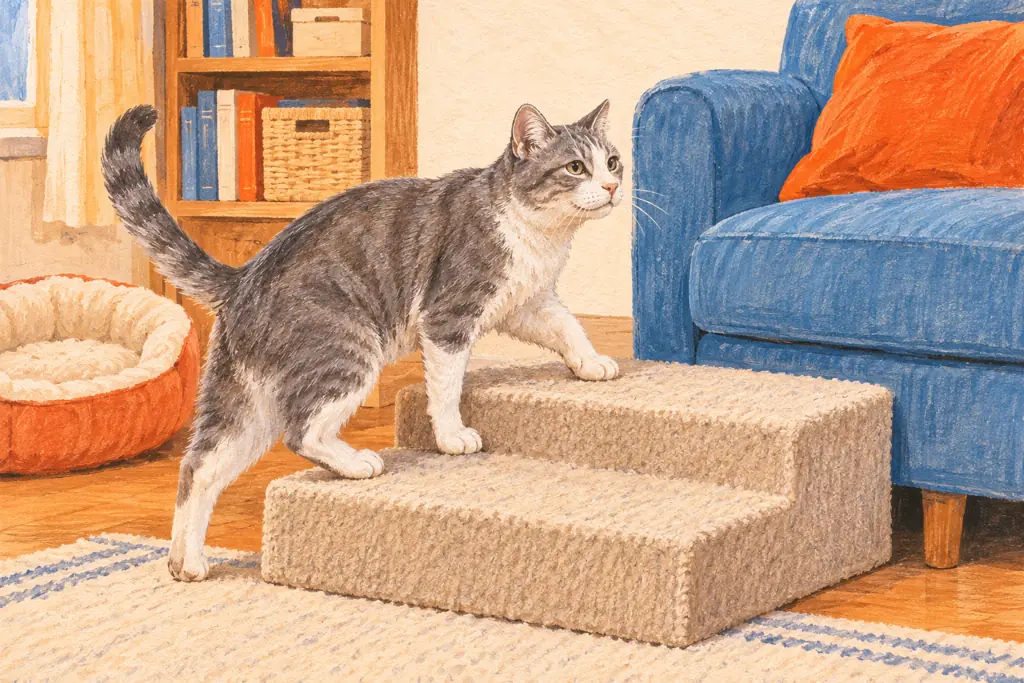
Cat Waking You Up at 4 A.M. for Food? What to Change

Cat Spitting Out Pills or Hiding From Medicine? What Helps

One home.
Different needs.
From a new arrival to a familiar routine that has changed, there is a place to begin.
See all postsChoose a starting point for your cat’s behavior
Start with what you can see, rather than a label such as stubborn or jealous. A new hiding place, a chase through the hallway or an earlier breakfast request can lead to different questions. Choose the situation above, then use these related pages when you want more background.
New cats and a change of home
The settling-in article covers a quiet starting space and signs of everyday comfort. Use the observation log to record what changes without relying on memory.
Two cats sharing the same space
The introduction article offers a practical sequence. The body-language article gives more background on the signals you may notice during an interaction.
Daily care and changing routines
Use the article that matches the problem, then prepare a clear account of what happened. A behavior change can also be a reason to contact your vet.
A more specific question?
- How to Introduce Cats When You Don’t Have a Spare Room
- Cat Still Wakes You Up With an Automatic Feeder? Here’s What to Check
- How Do I Find Out Which Cat Litter My Cat Prefers?
- Cat Ignoring the Water Bowl? Placement and Fountain Choices
- Cat Scratching the Sofa but Ignoring the Scratching Post?
Start with the article that fits your situation. If your cat has a diagnosed health condition, the Find a guide for your cat explain when a PDF may be useful and show what is inside.
Already spoken with your vet?
If your cat has a diagnosis or a care plan, start with a clear record of the next steps. The care sheets help you prepare questions and note what happens at home.
- New kidney-disease diagnosis: what to ask and record
- Prepare for the next vet visit
- Keep a simple observation log
For a topic-specific PDF to keep, Find a guide for your cat. They support your own notes and your vet’s plan; they do not diagnose your cat.