
A Cat-Care Budget Without the Guilt Shopping
You open your phone for litter and leave with a pastel tunnel, a new bowl and the faint suspicion that your cat is about to prefer the delivery box. Caring can turn into shopping surprisingly quickly.
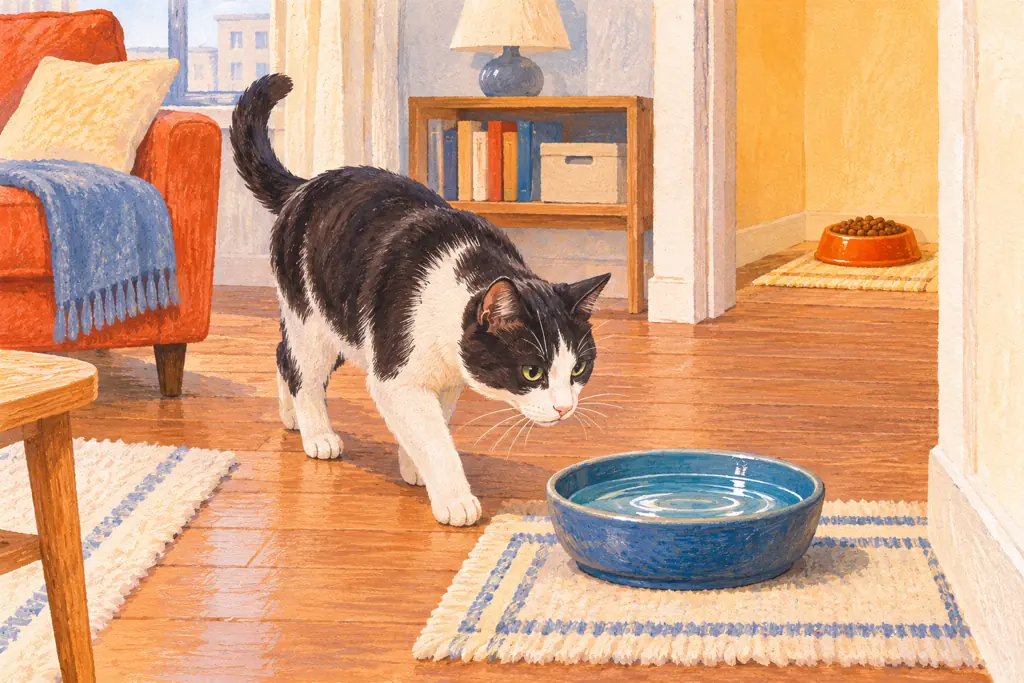
A full basket is not the same as a useful plan
Sometimes a new toy is simply a pleasure. Sometimes it is an apology for a long working day. Before checking out, ask which job the item is meant to do. Is something worn out, unsafe or missing? Are you solving a real problem, or trying to make an uncomfortable feeling go away?
You can enjoy buying something for your cat without making spending the measure of affection. Looking closely at what they already use is also part of caring.
Give the essentials their own line
There is no single monthly figure that fits every household. Food, litter, veterinary needs and local service prices differ. Start with your actual receipts and the care your cat needs, rather than copying someone else’s attractive budget.
- Regular essentials: suitable food, litter and routine supplies.
- Planned care: preventive care and prescribed treatments agreed with your veterinary team.
- Irregular costs: replacing worn equipment, transport and care during an absence.
- Unexpected needs: consider how you would meet an unplanned veterinary bill, including the details of any insurance or savings arrangement.
- Optional extras: decorative upgrades and additional toys.
Keep optional spending separate so it cannot quietly borrow from the food or care budget. This article does not estimate an insurance payout or suggest that one arrangement fits every cat.
Before buying another toy, look under the sofa
Choose a few intact toys from the collection you already have. Put some away and offer a smaller selection at a time. Notice how your cat plays rather than assuming more objects will produce more interest. Our toy rotation guide includes a simple observation table.
Check worn toys before returning them to use. Remove loose or damaged parts that could be swallowed, and reserve string toys for supervised interaction. Saving money should not mean keeping something unsafe in circulation.
Use a pause that answers a question
Save a non-essential item to a list before buying it. Beside it, write one sentence: what would become easier for my cat if this arrived? “Replace the scratching surface they have worn through” describes a job. “Make the room look more like a cat account I follow” describes a different wish.
Ask where the object will go, whether your cat can use it comfortably and what you will do with the item it replaces. A bargain that blocks a route or fills the only quiet corner may cost space you cannot spare.
Keep a little room for enjoyment
A budget does not have to remove the fun. It can let you buy an occasional extra without wondering what the next bill will displace. Review your actual spending after a month and adjust the plan to your cat, your home and the costs you can verify locally.
If money is tight, speak with your veterinary practice or a reputable local animal-welfare organization about available support rather than delaying necessary care to keep up with accessories.
For something useful that costs no new equipment, try our free care sheets. If you live alone, include a backup caregiver in the plan too: company, space and a backup plan.
Care notes and further reading
The scenes and reflective writing here are original editorial examples. The following organizations provide the practical care guidance referenced in this article.