
Cat Care Notes & Vet Visits: Observations, Carriers & Follow-Up
It can be hard to remember the small details when the clinic asks a question. Start with what changed, when you noticed it and what your cat is doing now. These pages help you prepare and organize care alongside your veterinary team. The free articles and worksheets come first; longer paid guides have a separate comparison page.

Start with what is happening
- The carrier makes everything harder
The carrier-training article focuses on familiarization before an ordinary appointment. It is currently in English; it does not replace urgent veterinary attention.
- There is a new diagnosis
The kidney-disease first-steps article helps organize the next clinic conversation. Use your own veterinary plan rather than treating a general guide as a prescription.
- Giving medicine has become difficult
Read the medicine article for a practical starting point and questions to take back to your veterinary team. Do not change a prescribed plan on your own.
All articles in this topic
Cat Spitting Out Pills or Hiding From Medicine? What Helps
When pills end up on the floor or your cat disappears at medicine time, tell the clinic what is happening. Ask about the formulation and technique before repeating a dose or changing how you give it.
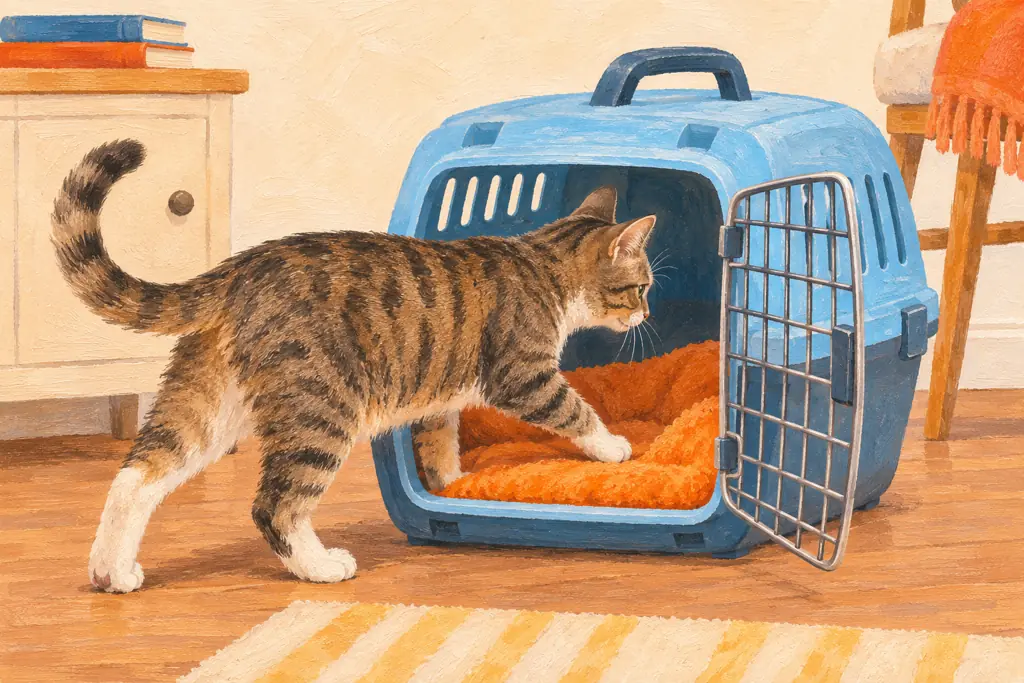
Cat Carrier Training: When Your Cat Runs From the Door
Help your cat get used to a carrier in manageable steps, including the tricky move from walking inside to staying comfortable when the door moves.
Cat Just Diagnosed With Kidney Disease? What to Ask First
A practical first checklist after a feline CKD diagnosis: clarify the vet’s plan, discuss food, record observations and prepare follow-up questions.
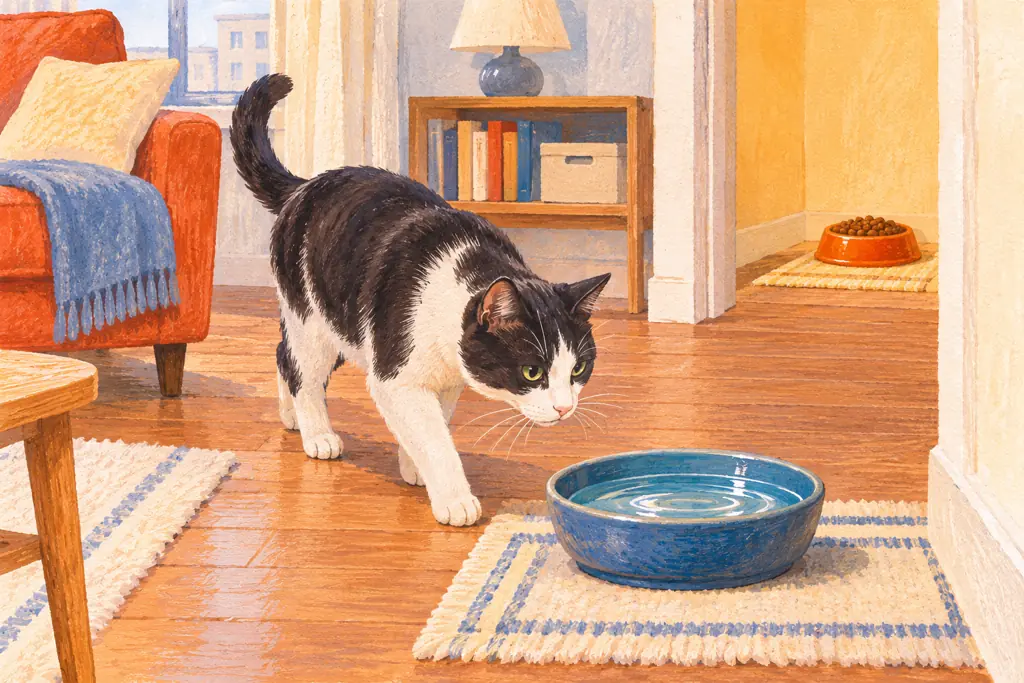
My Cat Is Eating Less: What to Check Before Calling It Picky
Separate food preferences from a change in appetite. Record actual intake, spot problems with access and know when to contact your vet.
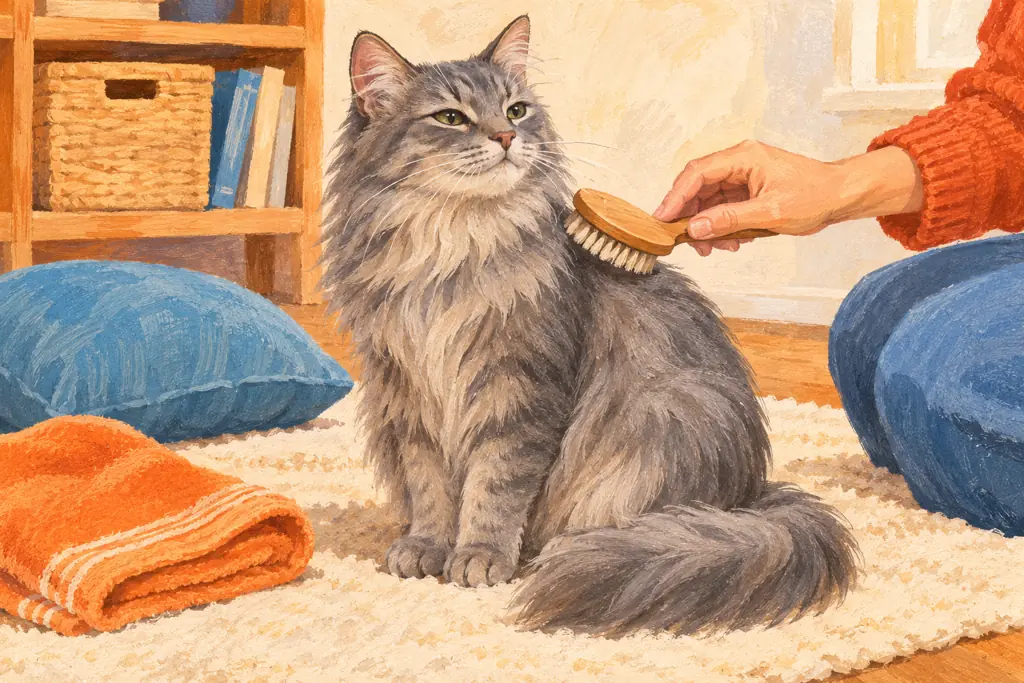
My Cat Is Licking Too Much: Grooming or a Reason to Call the Vet?
Look beyond stress when grooming changes. Record the pattern, avoid unsafe home remedies and help your vet assess the skin and coat.

My Cat Is in Heat: Keeping Her Safe and Planning Care
What to do about calling, restlessness and escape attempts, and what to ask your veterinary team about neutering.
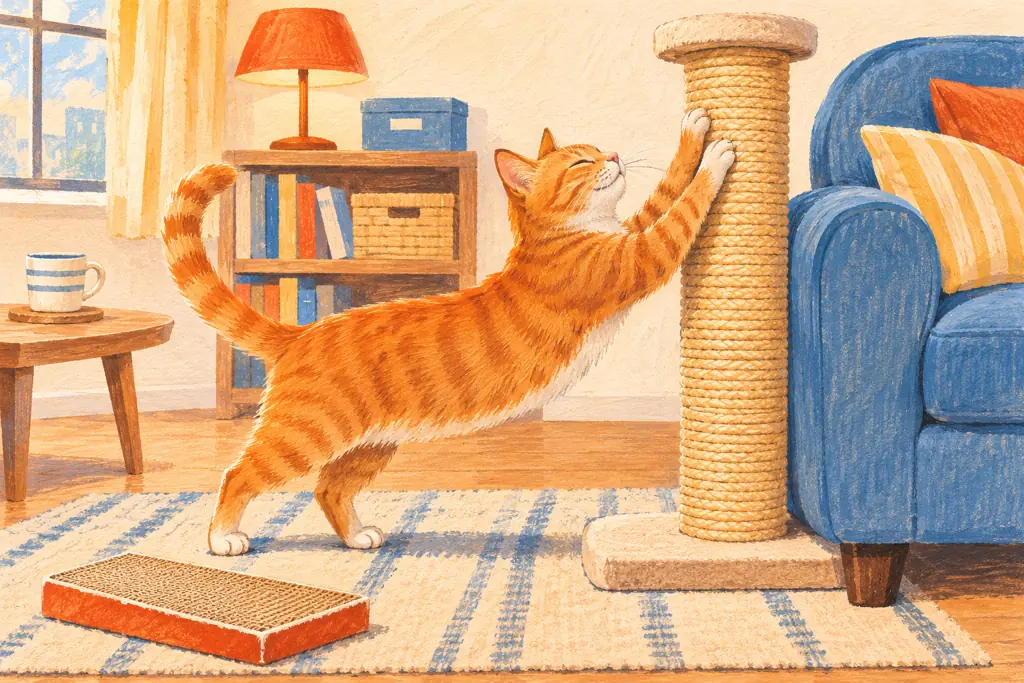
Older Cat Struggling to Reach the Litter Box or Favorite Spots?
Notice changes in jumping, grooming, sleep and toileting, then make familiar resources easier for an older cat to reach.
Are Lilies, Human Medicines or Dog Flea Treatments Safe for Cats?
Check three important household hazards for cats, prepare an exposure record, and know where to seek urgent professional advice.
My Cat Has Newborn Kittens. What Should I Check Each Day?
Prepare a quiet space, check that kittens feed and know when the mother or kittens need veterinary help.
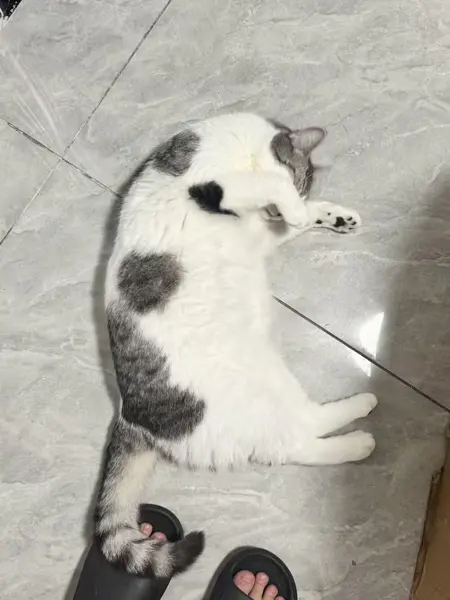
Juno’s Four Difficult Days: White Foam, a Late-Night Visit, and Eating Again
Our personal record of Juno’s four-day illness: the first unusual grooming session, repeated white-foam vomiting, a late-night clinic visit and the return of appetite.