
Why Do Cats Purr? What the Sound Can and Cannot Tell You
For anyone curious about purring and how it fits with the rest of a cat’s behavior.
· Expanded with practical steps and examples.

Your cat is purring on the couch. Their body is loose, they chose the spot and they lean back into your hand when you pause. Enjoy it. You do not need to turn every comfortable moment into an investigation.
The difficulty comes when purring is used to dismiss something else: “He cannot be uncomfortable; listen to him.” Cats Protection notes that cats may also purr in stressful situations or when in pain. The sound needs context.
What was happening before the purr?
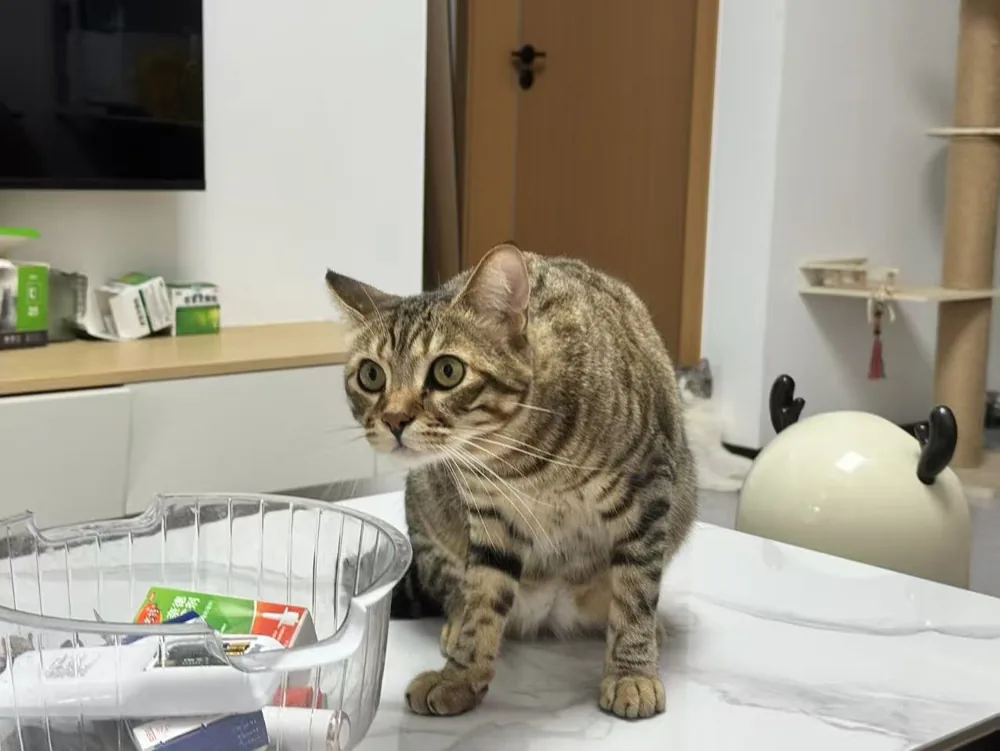
Start with the scene rather than the volume. Did your cat approach you, or were they picked up? Can they move away? Are they resting in their usual posture, or staying very still in a carrier? A loud purr does not cancel out a tense body or an attempt to leave.
When petting, pause and give your cat a choice. If they move closer or rub against your hand, you can continue gently. If they turn away or leave, let them. There is no need to keep touching them to find out whether the purr changes. Our body-language article looks at the rest of that interaction.
A cat walks onto a lap and settles with relaxed limbs. Another cat purrs while crouched at the back of a carrier during a clinic visit. The same sound is present, but the circumstances are different. Neither scene lets you diagnose an emotion or a medical condition from audio alone.
What do we know about how cats make the sound?
A 2023 study by Christian Herbst and colleagues showed that isolated domestic-cat larynges could produce sounds at purring frequencies without repetitive nerve stimulation. The work helps explain how a small animal can produce such a low sound. It was a laboratory study of the sound-producing structures, not a test that translates a living cat’s purr into feelings.
That distinction matters when a headline promises to explain “what your cat is telling you.” A finding about how a sound is made does not supply a reliable translation of every occasion on which it is used. Nor should a claim about purring or “healing frequencies” become a reason to postpone care.
When is a purr worth mentioning to the vet?
Mention a change that comes with other changes: less eating, a different way of moving, unusual hiding, reduced grooming or discomfort with an ordinary interaction. Explain what is new for that cat. “He has always purred loudly” and “he has started purring while sitting apart and leaving meals” are different accounts.
If the sound is unfamiliar, a brief recording may help the clinic understand what you mean. Record an episode only if it happens naturally and does not delay help. A recording does not rule out a problem. If your cat is struggling to breathe, breathing with an open mouth or collapsing, seek emergency veterinary care instead of trying to decide whether the noise is a purr.
Write down the scene, not a translation
A useful note has three parts: what happened just before, what your cat’s body was doing, and what happened next. For example: “Settled beside me after dinner; purred during cheek strokes; walked away when I stopped.” This is an illustrative note, not a behavior score.
You can use the observation sheet when a change needs tracking. Otherwise, let an ordinary purr remain an ordinary pleasure. Pay attention to the whole cat, and avoid making a reassuring sound carry more meaning than it can.
Sources and further reading
- Herbst and colleagues: domestic cat larynges and purring frequencies, Current Biology (2023)
- Cats Protection: recognizing signs of pain
- Cats Protection: purring and context
You’ve reached the end of this article.
Find your next read